





AI Credit Scoring Models: How Machine Learning Is Transforming Lending
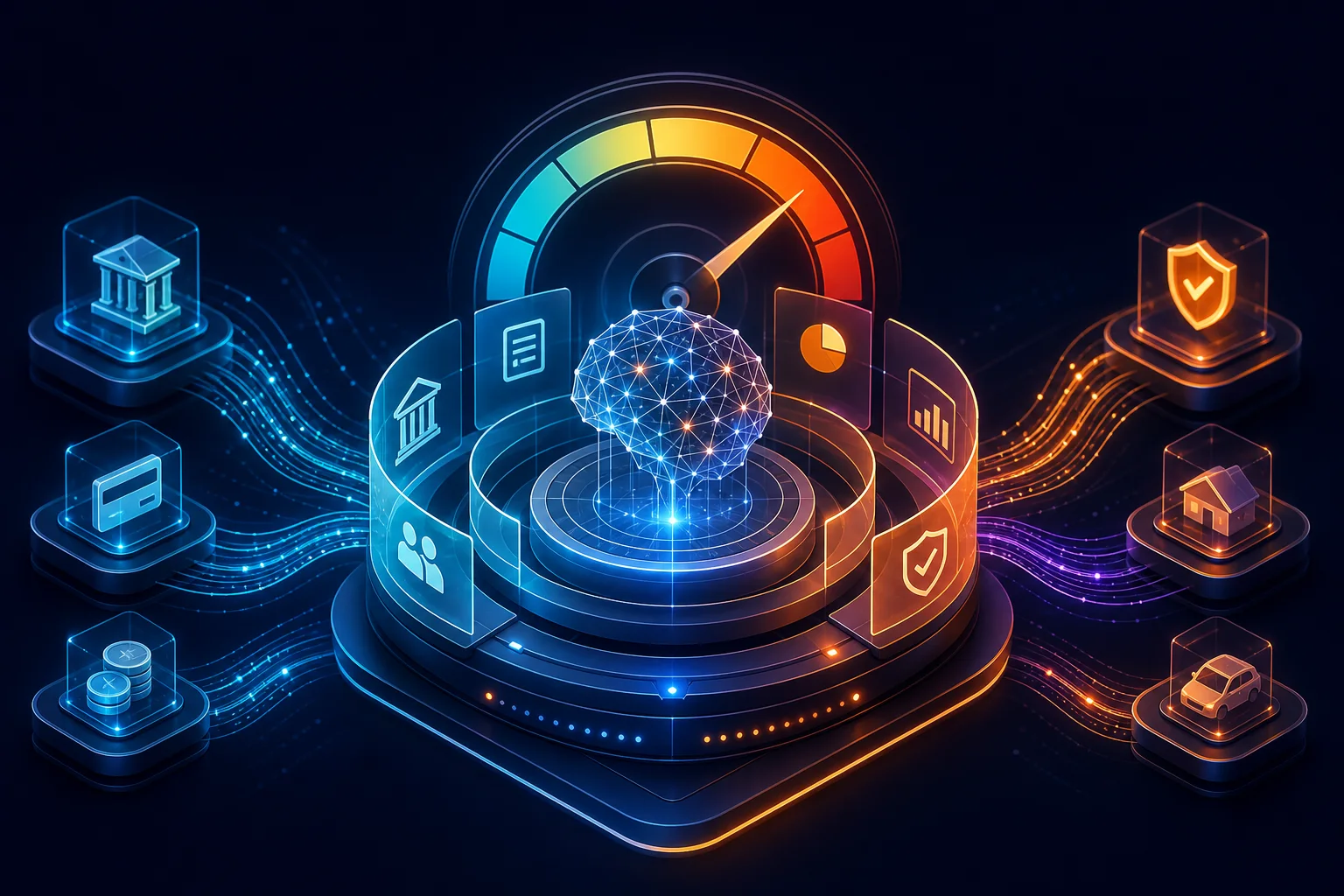
How AI-driven credit scoring works, why it outperforms traditional bureau scores for underbanked markets, and what lenders need to get right on explainability and bias.
Traditional credit scoring relies on a thin slice of financial history — bureau records, existing loans, formal income. In markets like Pakistan and the wider Gulf region, where a large share of the population is underbanked or has limited formal credit history, that approach locks out creditworthy people simply because the data trail is too short. AI-driven credit scoring changes what counts as signal.
What data AI credit models actually use
Beyond traditional bureau data, machine learning credit models incorporate alternative signals — mobile wallet transaction patterns, utility bill payment history, e-commerce purchase behaviour, and even device and app usage patterns where consented and compliant. Each signal alone is weak, but combined and weighted by a trained model, they produce a meaningfully more accurate risk assessment than bureau data alone for thin-file applicants.
Why this matters for underbanked markets
A large share of small business owners and gig workers across Pakistan and the Gulf simply don't have the formal credit history traditional scoring requires — not because they're high risk, but because the data doesn't exist in the format banks expect. AI credit scoring built on alternative data can extend responsible credit to exactly this population, which is a meaningful market opportunity as well as a financial inclusion outcome.
The explainability requirement regulators are enforcing
A "black box" model that can't explain why an applicant was declined is a regulatory and reputational risk — most financial regulators now require some form of adverse action explanation. We build credit models with explainability techniques (like SHAP values) integrated from the start, so every decision can produce a human-readable reason, not just a score.
Bias testing is not optional
Machine learning models trained on historical lending data can inherit and amplify the biases present in that history. Responsible deployment requires ongoing bias testing across protected characteristics and demographic groups, with the model retrained or recalibrated whenever testing surfaces disparate impact — this has to be a continuous process, not a one-time audit before launch.
Frequently asked questions
Is AI credit scoring legal for regulated lenders?
Yes, in most markets, provided the model meets explainability and fair-lending requirements — the regulatory bar is generally on how the decision is made and documented, not whether machine learning is used at all. Requirements vary by jurisdiction, so compliance review should happen alongside model development, not after.
How accurate is AI credit scoring compared to traditional bureau scores?
For applicants with thin or no formal credit history, AI models incorporating alternative data typically outperform bureau-only scoring meaningfully, because they have more signal to work with. For applicants with rich traditional credit history, the improvement is usually smaller but still measurable.
The WebSool take
We build AI credit scoring systems for fintech and lending clients with explainability and bias testing designed in from the start, not retrofitted after a regulator asks. If you're building or upgrading a credit decisioning engine, we can help you get the model and the compliance right together.