


System Design for Scale: Architecting a High-Traffic POS Platform

The system design decisions that actually matter when architecting a POS platform for multi-branch, high-transaction-volume retail — from data consistency to sync architecture.
Designing a POS platform that needs to handle thousands of transactions across dozens of branches is a genuinely different system design problem than a typical CRUD web application. The constraints that matter most — offline resilience, eventual consistency, and transaction integrity — rarely show up in generic system design interview prep, but they're exactly what determines whether the platform survives a busy Friday evening.
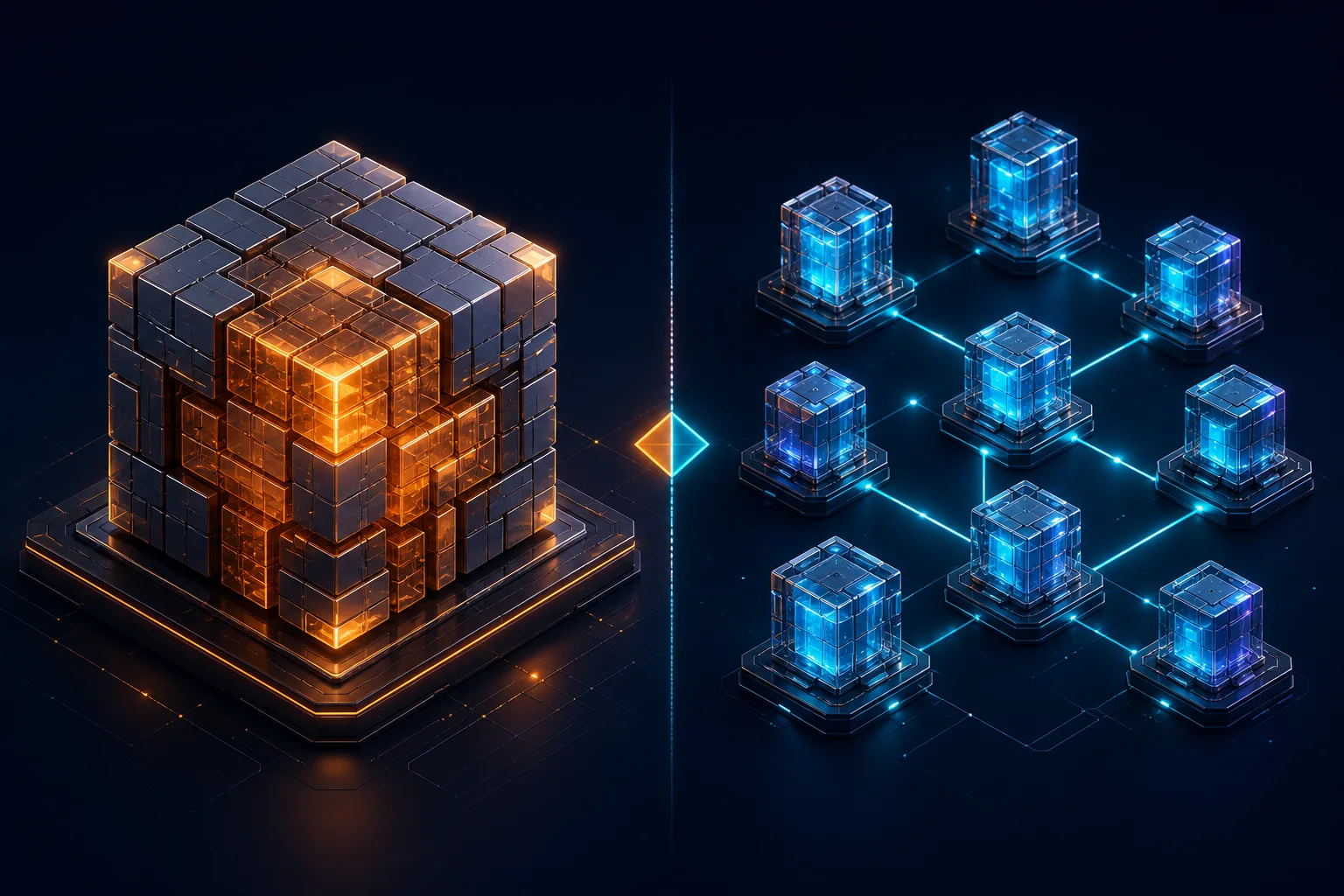
Why strong consistency is the wrong default
A POS platform that requires every terminal to synchronously confirm with a central database before completing a sale will grind to a halt the moment network latency spikes or a branch goes offline. We design around eventual consistency for most operations — a sale completes locally immediately, and syncs to the central system asynchronously — reserving strong consistency only for operations where it's actually required, like preventing a gift card from being redeemed twice simultaneously.
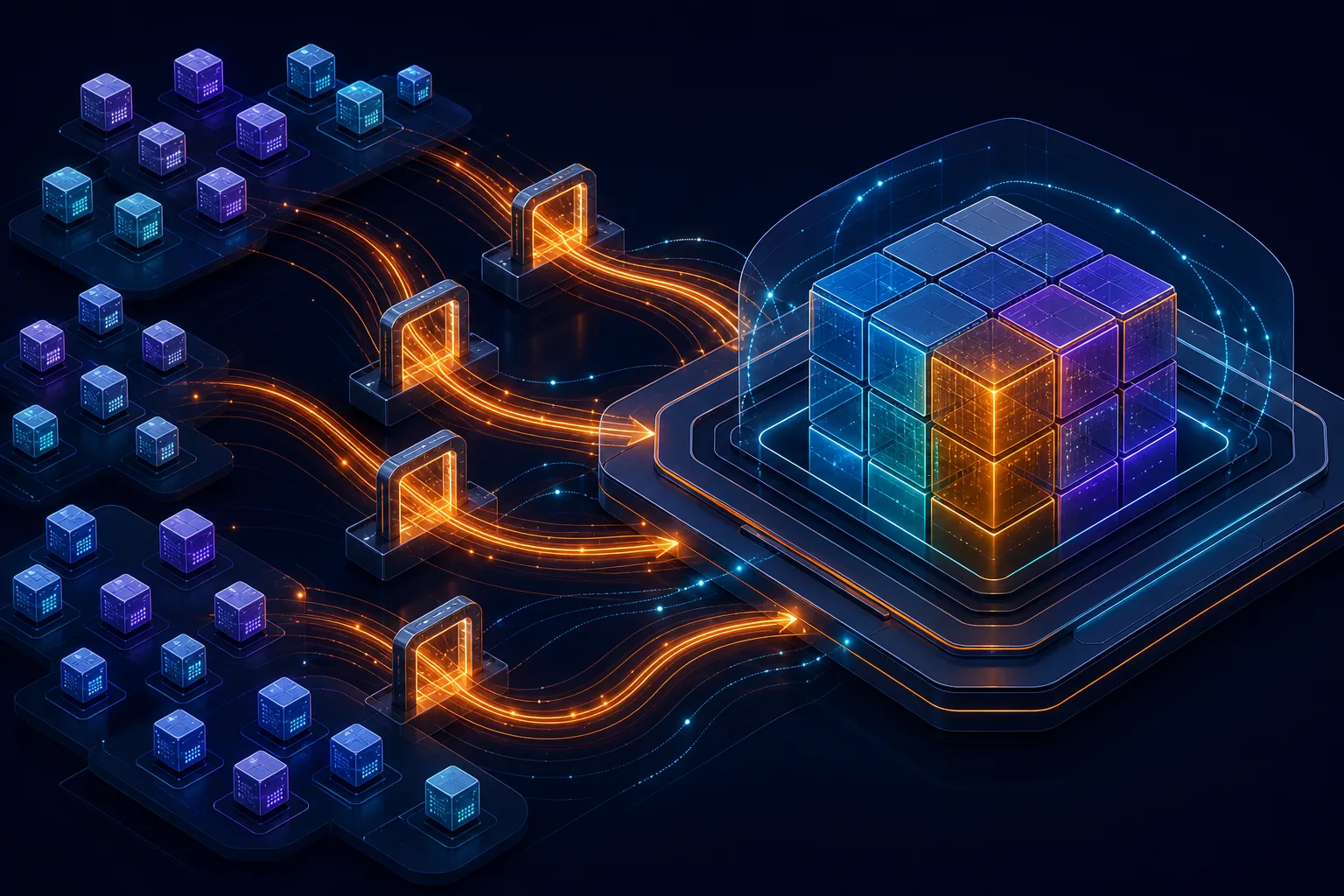
Idempotency is what prevents double-charging
Every transaction-creating request in a POS system needs to be idempotent — if a sync retries after a network blip, it must not create a duplicate sale or double-deduct inventory. We assign a unique transaction ID at creation time, generated locally on the terminal, so retries are naturally deduplicated on arrival at the central system.
Designing the stock-count reconciliation problem
Inventory is the hardest shared state in a multi-branch POS system — multiple terminals might sell the last unit of an item simultaneously while offline. Rather than trying to prevent this with locking (which breaks offline operation), we design for graceful reconciliation: allow the oversell, then surface it clearly for manual resolution, which is far more resilient than a system that refuses to sell anything it can't perfectly verify in real time.
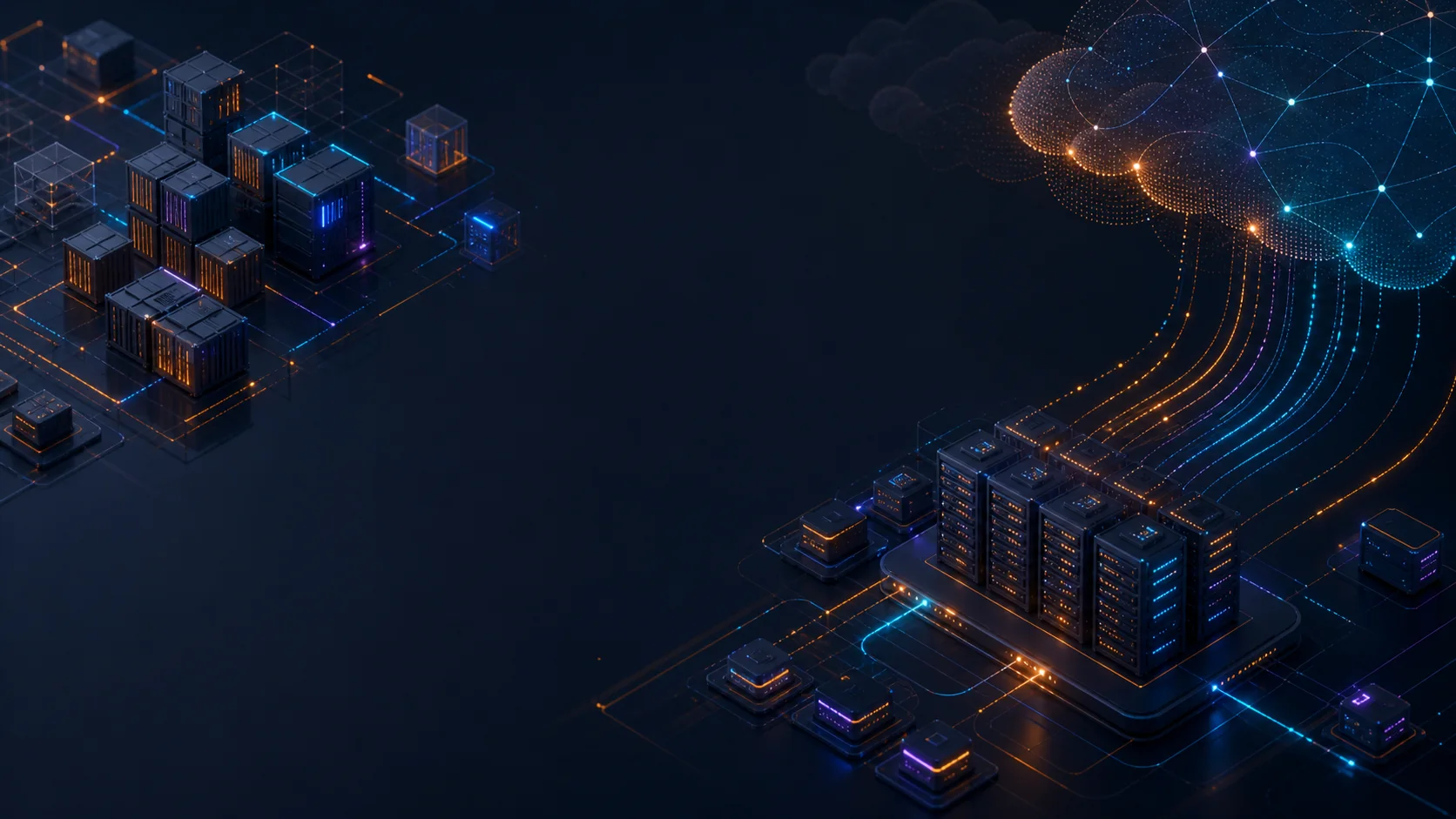
Horizontal scaling for the reporting layer
Real-time analytics and reporting queries across dozens of branches can't run against the same database handling live transaction writes without degrading checkout performance. We separate the read path — using read replicas or a dedicated analytics store fed by change-data-capture — so a manager pulling a sales report never slows down a cashier mid-transaction.
Frequently asked questions
Why not just use strong consistency everywhere to keep things simple?
Strong consistency requires every terminal to synchronously confirm with a central system before completing an action, which breaks the moment network latency spikes or a branch loses connectivity — exactly the conditions retail POS systems have to survive. Eventual consistency trades a small, well-managed risk of temporary discrepancy for actual reliability.
What database is best for a high-traffic POS system?
There's no single right answer — it depends on read/write patterns, but a common pattern is a relational database (PostgreSQL or MySQL) for transactional integrity on the write path, paired with a separate analytics store or read replicas for reporting, so heavy queries never compete with live checkout traffic.
The WebSool take
This is the exact system design thinking behind NOA POS & RMS — eventual consistency, idempotent transactions, and a separated reporting layer built to handle real multi-branch volume. If you're architecting a high-traffic retail platform, we'd welcome comparing notes.